play_arrow
WLXU 93.9 FM WLXU 93.9 LPFM | MEDIALEX RADIO
play_arrow
WLXL 95.7 FM WLXL 95.7LPFM | MEDIALEX RADIO
Election Day is November 3. Until then, campaign messages are everywhere. They are on TV, in your mailbox, and in your feed. Both sides use the same tricks and tactics to persuade. Here are five to watch for, with local examples:
1. Fear and anger
Show a threat, or stir up outrage. Strong feelings make us react fast.
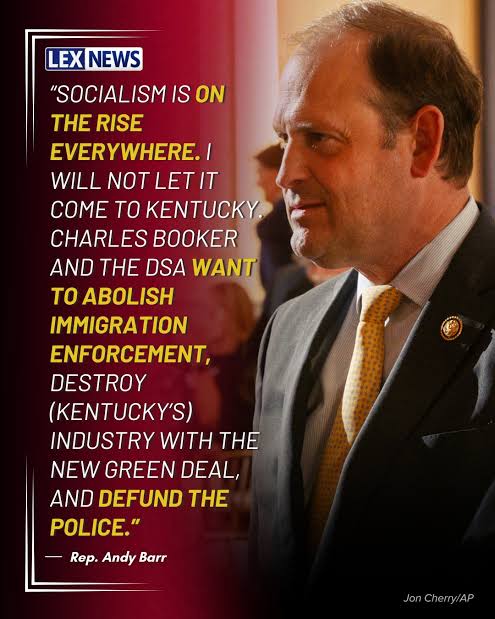
Republican: In a June speech, Andy Barr said, “We cannot let crazy win.”
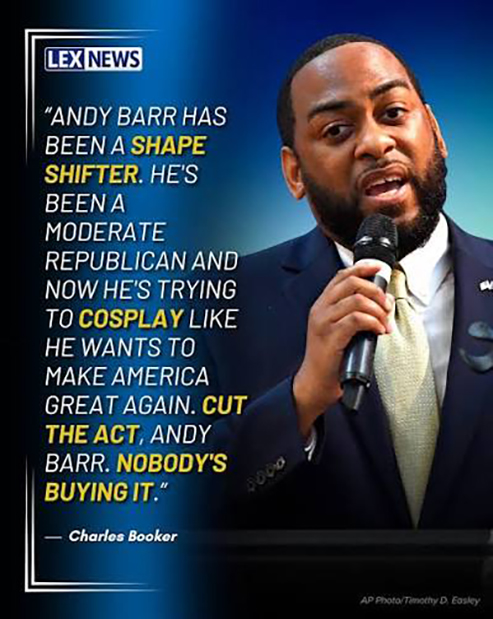
Democratic: In an interview, Charles Booker said voters are angry that McConnell and Barr “give them the middle finger.”
Ask Yourself: “Is the campaign giving me facts, or just trying to scare me or make me mad?”
2. Name-calling
Labels are quick and sticky. They are not facts.
Republican: Barr’s first Senate ad called DEI programs “Dumb, Evil, Indoctrination.” He also calls Booker a “socialist.”
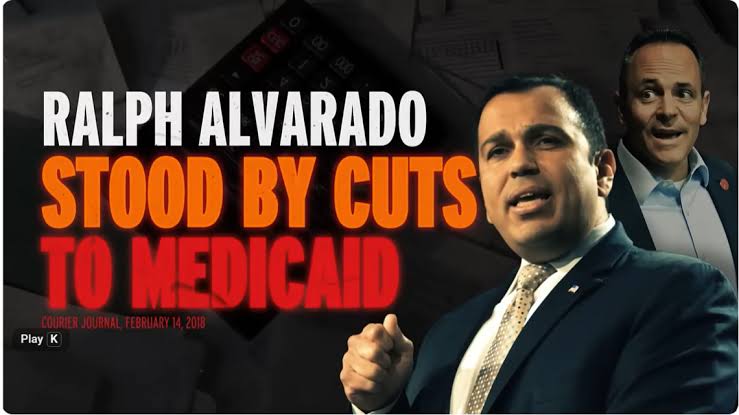
Democratic: At a campaign event, Zach Dembo called Ralph Alvarado “corrupt” over a nursing home lawsuit bill. The news report could not confirm which bill Dembo meant.
Ask Yourself: “What does this label imply? What is it trying to make me think or feel? What facts back it up?”
3. Guilt by association
Link a candidate to someone voters may dislike.
Republican: In a statement, Alvarado said Dembo is backed by “dirty Epstein class money.” A donor gave $500,000 to an independent super PAC. It went to the PAC, not to Dembo’s campaign. There is no public evidence Dembo asked for it.
Democratic: Beshear’s super PAC spent $250,000 on ads about Alvarado’s time as Matt Bevin’s running mate. A national Democratic committee ad had Beshear carry a Bevin cardboard cutout. Senate President Robert Stivers said Alvarado joined other Republicans in condemning Bevin’s pardons.
Ask Yourself “Does this link show how this person acts and decides, or just who they know? What does their own record show?”
4. Image polishing
Messages shape how a candidate looks.
Republican: One Alvarado ad stressed affordability and health care and called him “independent.” KET journalists called that an interesting word choice.
Democratic: Booker has pitched himself as an “independent Democrat,” according to the Kentucky Lantern.
Ask Yourself: “What issue is being polished? What image is being built? Who is it meant to win over? Does the record agree?”
5. Numbers with no context
A big number sounds precise. That does not make it meaningful.
Republican: In the Oct. 19 debate, Barr said a tax cut he supported put $2,800 in the average Kentuckian’s pocket. The news report gave no source for the figure. “Average” is vague and can hide who gets more and who gets less.
Democratic: A July 14 Kentucky Democratic Party release said war-driven gas prices cost the average Kentucky family $567 and the state nearly $1 billion. The release did not explain how those figures were calculated.
Ask Yourself: Whose numbers are these, and where do they come from? Are they accurate and relevant? Do they tell me something meaningful, or are they trying to make a feeling sound like a fact?
Four more questions to ask yourself:
Who paid for this, and what do they gain if I believe it?
What does this message want me to conclude? How does it want me to act?
What is it suggesting or implying? What facts are being left out?
Do independent sources confirm it? Do sources from different sides agree on the facts?
Keep in mind:
Local commercial TV and radio stations cannot edit or reject ads from federal candidates. They are not legally responsible for what those ads say. Ads from outside groups are different. Stations may turn them down, but many run them. No one is required to fact-check an ad before it airs. That job is yours.
(Note: MEDIALEX is public media. We do not run political ads. We do not endorse candidates or specific ballot measures.)
Lex.Vote from CivicLex
Voting Information from the City of Lexington
Kentucky’s 2026 General Election Voter Guide from Louisville Public Media
Voter Information Portal from Kentucky State Board of Elections
When Can I Vote in Fayette County?
Election Day is November 3, 2026 from 6:00am-6:00pm.
In-Person Early Voting
If you have not requested a mail-in absentee ballot, you may vote on October 29-31 from 8:30am-4:30pm at any of the library voting centers.
In-Person Day of Voting
You can vote in-person on election day either at your precinct or any of the library voting centers from 6:00am-6:00pm. You must be in line by 6:00pm to cast your ballot.
Where Can I Vote in Fayette County?
In-Person Early Voting
You may cast your ballot at any of the library voting centers:
Beaumont Branch Library
Central Library
Eastside Branch Library
Northside Branch Library
Tates Creek Library
Marksbury Family Branch Library
In-Person on Election Day
You can vote at any of the library voting centers (listed above) or at your precinct.
Where you live determines your assigned precinct. You have to cast your ballot at your assigned precinct. Find your precinct here.
Voting information provided by Lex.vote